The Art of Minimalist Design
How less can be more when it comes to web design. A deep dive into minimalist principles and their application.
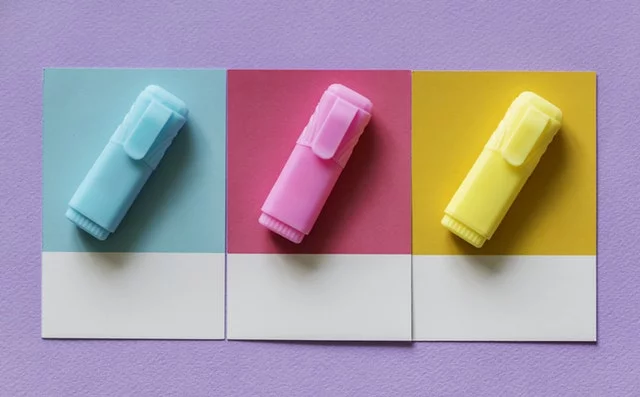
Minimalism is a philosophy rooted in simplicity, functionality, and elegance. While its principles are typically associated with interior design as well as web design, minimalism can also be applied to tangible items. In many ways, the minimalist philosophy offers a refreshing approach that resonates with consumers seeking simplicity and authenticity in the products that they use. — Prodev
Minimalist design can be done with even the simplest of tools and software. And yet, no other art or design trend compares when it comes to the number of fields minimalism has impacted. From the internet and user interfaces to video games and film, the influence of minimalism can be seen in most places you look today.
So why isn’t minimalist design a well-known and popular style? The short answer is simply that minimalism is less a visual style and more a principle. A minimalist design is a design that only uses the most essential elements, including basic shapes and limited color palettes, to create something that’s very simple yet memorable.
Less Is More
The best minimalist websites only utilize elements that are essential for the web design. This includes doing away with needless graphical elements that may distract the viewer and affect both usability and readability. By keeping things simple, you are better able to direct the visitor’s attention to the main element or idea that the site is meant to convey.
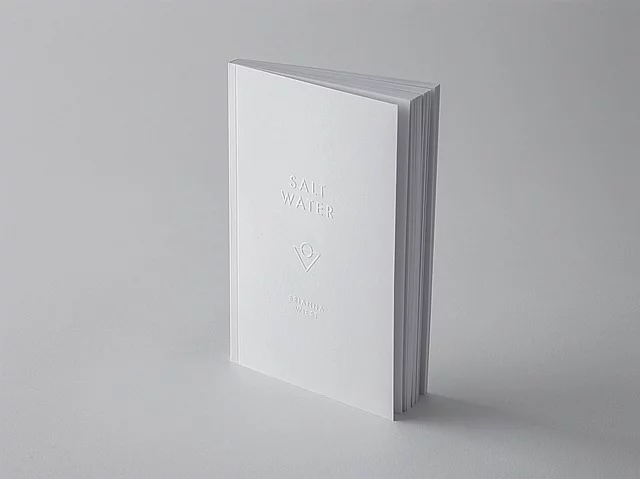 The less elements there are to bombard the viewer, the more likely they are to focus on the product or idea being showcased. This means using limited layouts and color palettes while still making available only the most useful tools, such as intuitive and easy-to-find navigational elements.
Keep Things Balanced
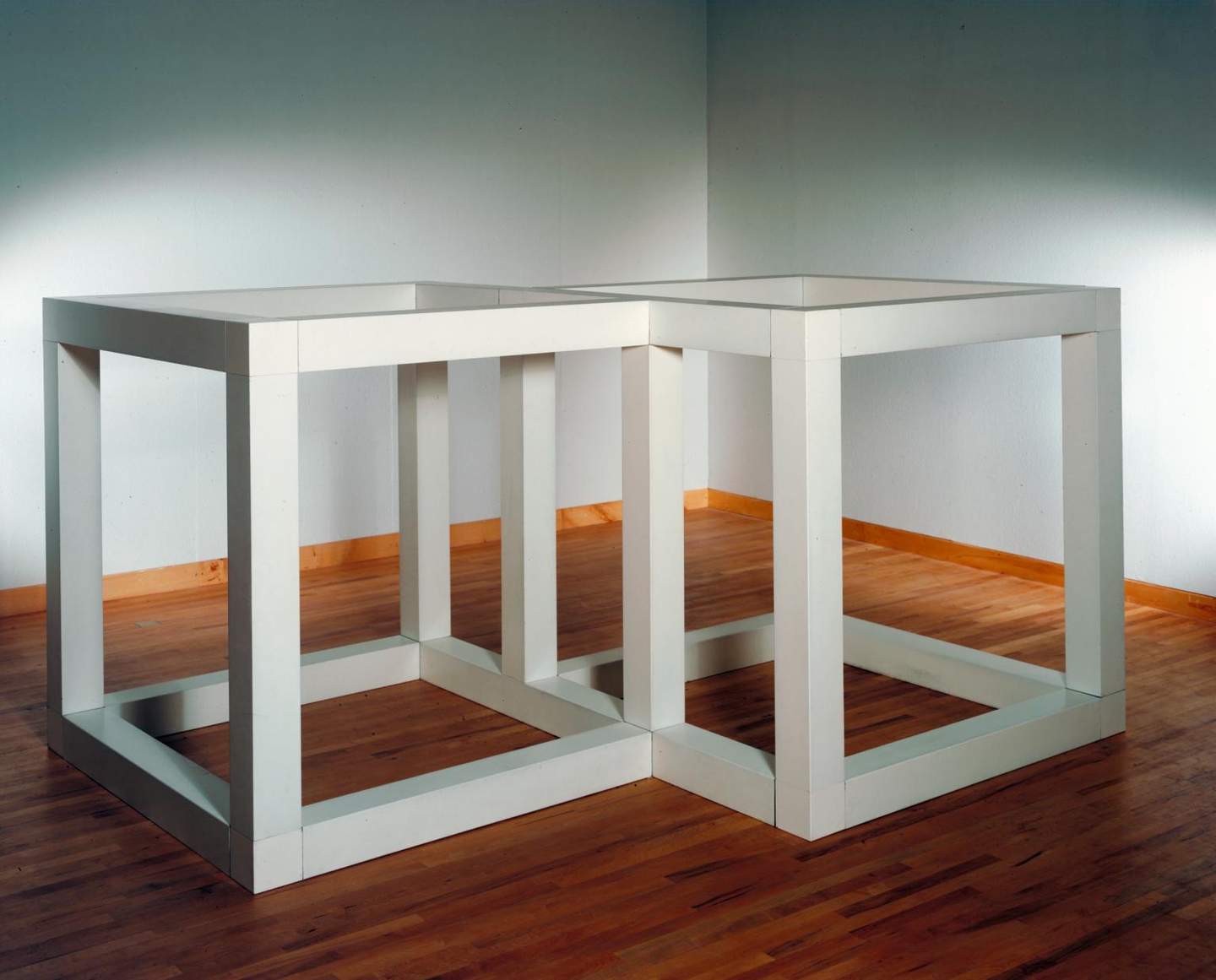 One of the challenges of creating a minimalist design, especially a web page, is making sure everything harmonizes visually. Since you’re using fewer elements to begin with, it becomes much more obvious when a particular element causes an imbalance. This is especially true when your design uses a lot of white space to draw more attention to certain elements.
For this reason, a lot of graphic designers use a grid system. Organizing your website design into a grid layout can help keep things visually balanced and evenly distributed. Using a grid alignment allows you to be creative with your design while making sure all the vital elements line up in a pattern that’s satisfying to the human eyes.
Your colors Matter
Since minimalism restrains the use of colors, a very powerful tool in the hands of a minimalist graphic designer is contrast. Extreme contrast can be the key to creating an eye-catching element that impacts the visitor and fills them with a desire to learn more. This strategy isn’t effective on a site with many colors already in use, which is why it’s a popular trick used on minimalist designs to make their site easier to read and user-friendly.

Typography Is Key
The heart of every minimalist graphic design is a font that’s clean, simple, and easy for people to read. Instead of using bizarre fonts and colors, stick with a direct typography that’s minimal but aesthetically pleasing. Of course, there’s still room for creativity in how you present your text.
Many great minimalist designs use big typography instead of images to capture the viewer’s attention. In websites, you’ll often find larger typography for the header in order to make important information both obvious and memorable. Using a mix of different font sizes is a great way to keep a page with little content from becoming boring. The different sizes help take up some space and add visual interest without creating the same clutter that using images might.
Conclusion: Embrace the Power of Less
Minimalist design is about making every element count. By focusing on the essentials, embracing negative space and prioritizing usability, you can create products that are not only beautiful but also highly functional. Remember, less is more. Strip away the unnecessary to reveal the core of your design, and your users will thank you for it.